Dating Safety in South Africa
Practical, common-sense guidance to help you enjoy casual dating and hookups with greater confidence and peace of mind — wherever you are in South Africa.
Why Dating Safety Matters
Meeting new people is exciting. A few simple habits can help you enjoy the experience while staying in control. This guide covers practical steps anyone can follow — nothing complicated, nothing expensive, just clear and actionable advice.
Whether you are in Cape Town, Johannesburg, Durban, or anywhere else in South Africa, the principles of safe dating are the same: trust your instincts, protect your privacy, and take things at your own pace. The aim is not to create fear. It is to help you feel prepared.
Protecting Your Personal Information
Your personal details are valuable. Sharing them too quickly can expose you to unwanted contact, identity fraud, or harassment. A cautious approach is not unfriendly — it is sensible.
Keep your full name, workplace, home address, and phone number private until you have met someone in person and built trust over multiple interactions. Use the platform's messaging system for as long as you need. Genuine people will respect your caution.
Be mindful of what appears in the background of your photos. A street sign, a school badge, a workplace logo, or a recognisable landmark can reveal more than you intended. Review your images before uploading them.
Consider creating a separate email address for dating and using a first name or nickname on your profile rather than your full legal name. These small steps give you an extra layer of control.
Choosing What to Share
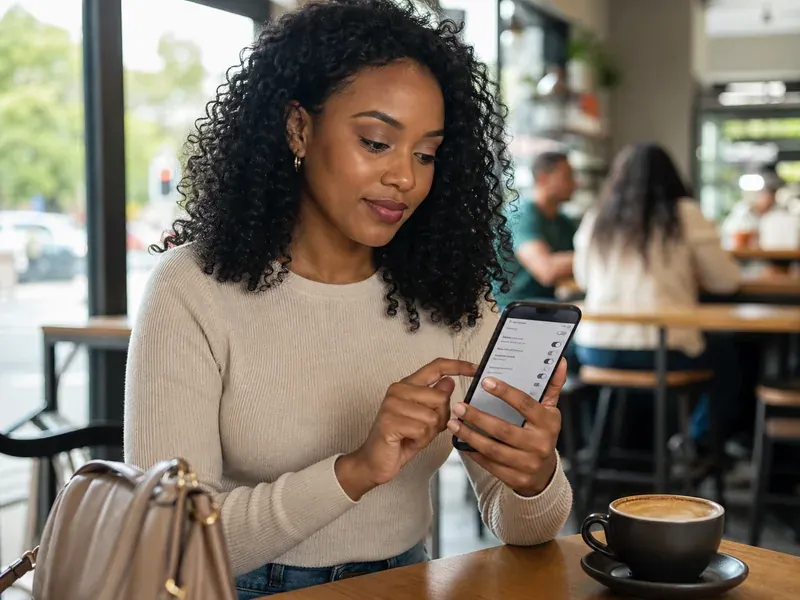
Dating profiles are a balance between being open enough to connect and guarded enough to stay safe. You can be honest about who you are without handing over the keys to your private life.
Share your interests, hobbies, and what kind of connection you are looking for. Talk about the neighbourhood or area you live in — but not your specific street or complex. Mention your industry or field of work — but not your employer or office location.
When chatting, let the conversation develop naturally. Someone who pushes for very personal details early on — your financial situation, your living situation, or intimate photos — is showing a red flag. You are never obligated to answer a question that makes you uncomfortable, no matter how politely it is asked.
If you are unsure whether to share something, ask yourself: would I be comfortable with a stranger knowing this about me? If the answer is no, wait until you know the person better.

Profile and Photo Checks
Taking a few minutes to verify someone's profile can save you from wasted time — or worse. These checks are simple and take little effort.
Look for Consistency
Does their profile information match what they say in messages? Inconsistent details about their age, job, or location are worth questioning. A genuine person's story stays consistent over time.
Read Between the Lines
A profile with only one photo, no bio, or very vague answers may be genuine — or it may be hiding something. Take extra time to chat and assess before agreeing to meet someone with a thin profile.
Video Chat First
Suggesting a quick video call before meeting in person is a smart move. It confirms the person looks like their photos and gives you a sense of their communication style. If they refuse repeatedly, consider why.
Take Your Time
Scammers often try to rush you — into trust, into sharing details, or into meeting. A person worth meeting will not pressure you to move faster than you are comfortable with.
Reverse Image Search
One of the quickest ways to spot a fake profile is to check whether their photos appear elsewhere online under a different name.
Save the Photo
Download or screenshot the profile photo you want to check. Make sure it is clear and unobstructed.
Upload to a Search Engine
Use Google Images, TinEye, or Yandex Image Search. Click the camera icon and upload the image.
Review the Results
If the same photo appears linked to different names, locations, or on stock photo sites, be cautious.
Trust Your Findings
A single match on a legitimate social profile may be fine. Multiple matches under different identities are a strong warning sign.
Reverse image search is not foolproof — some people have limited online footprints for perfectly innocent reasons. Use it as one tool among many, not as your only check.
Recognising Scams
Online dating attracts a small number of people with dishonest intentions. Knowing the common patterns helps you spot them early and disengage safely.
Requests for Money
Anyone who asks for money — however convincing the story — is almost certainly a scammer. This includes requests for transport fares, medical emergencies, data or airtime, or "temporary" loans. Never send money to someone you have not met.
Love Bombing
Beware of someone who declares deep feelings, calls you their soulmate, or talks about a future together within days of matching. Scammers use intense emotional connection to bypass your judgement.
Avoiding Real Meetings
Someone who always has an excuse not to meet in person or appear on video — illness, work crises, family emergencies, travel — may not be who they claim. A genuine person will make meeting happen when the time is right.
Inconsistent Stories
If details about their life keep changing — where they work, where they live, their age, their relationship history — treat it as a serious warning. Write down key details if you need to track consistency.
Suspicious Links
Never click links sent by someone you have just met online. Scammers use malicious links to install malware, steal login credentials, or redirect you to fake websites designed to capture your personal information.
Urgency and Pressure
Scammers create false urgency — "I need help today," "this offer expires soon," "I am in trouble and you are the only person I can ask." Real connections do not depend on high-pressure tactics.
If you suspect a scam, stop communicating immediately. Report the profile to us and block the user. You do not owe them an explanation or a second chance.
Avoiding Financial Pressure
Money and dating can be an uncomfortable mix. Clear boundaries around finances protect both you and the connection.
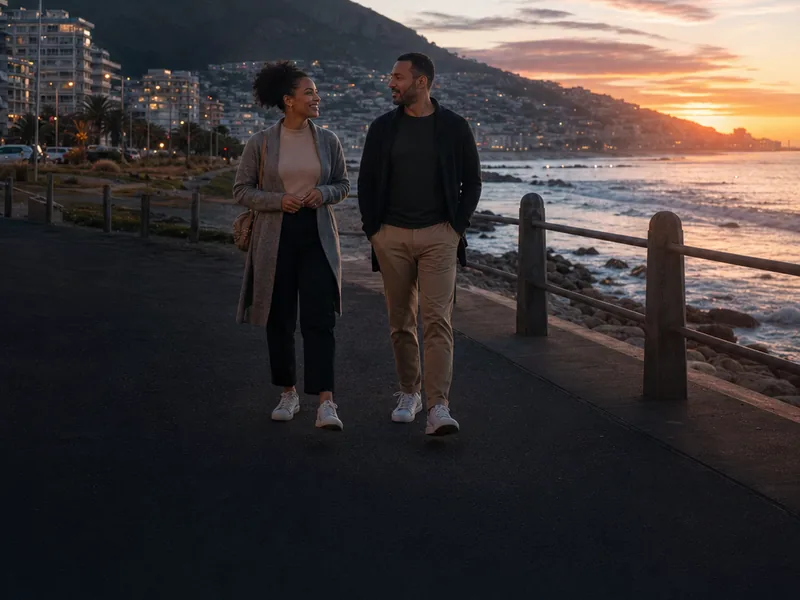
Keep early dates simple and affordable. A coffee, a walk on the promenade, or a drink at a casual spot is enough to get to know someone. You do not need to impress anyone with expensive outings — and if someone expects that from a first meeting, reconsider whether they are a good match.
Be cautious if a date suggests meeting at an expensive venue they chose and then expects you to cover the full bill. Some scammers work with specific venues to inflate bills and pressure you into paying. If the situation feels orchestrated, it probably is.
Never share your banking details, ID number, or credit card information with someone you are dating casually. Financial abuse often starts with small requests and escalates. Keep your finances completely separate.
Meeting in Public
Your first in-person meeting should always be in a public place where other people are around. This is the single most important safety rule in dating.
Good Meeting Spots
Cafés, restaurants, shopping centres, public parks during the day, popular bars, hotel lobbies, and busy beachfront promenades all make excellent first-meeting venues. The key is visibility and the presence of other people.
Places to Avoid
Never agree to a first meeting at someone's home, a private residence, a remote location, or anywhere you cannot easily leave. If your date suggests a private or isolated venue and resists alternatives, take that as a warning.
Keep It Manageable
Plan a first meeting that is relatively short — an hour or two is plenty. You can always extend the date or plan a second one if things go well. A short meeting makes it easier to leave gracefully if you are not feeling it.
Stay Connected
Keep your phone charged and on you at all times. Make sure you have enough data and battery to call someone if needed. Consider downloading a safety app that lets you share your location with a trusted contact.
For relaxed and creative meeting ideas in your area, browse our first date ideas page — every suggestion there is chosen with safety and comfort in mind.
Arranging Your Own Transport
How you get to and from a date matters more than many people realise. Being in control of your transport means you are in control of when you arrive and — importantly — when you leave.
Drive yourself, use a ride-hailing service like Uber or Bolt, or take a trusted taxi. Do not accept a lift from someone you are meeting for the first time, and do not give them your home address for pick-up. Meet at the venue.
If you use a ride-hailing service, avoid having the driver announce your name or drop-off location audibly. Wait inside the venue until your ride arrives rather than standing outside alone.
Having your own transport also removes the possibility of your date knowing where you live before you are ready to share that information — and it means you are never stuck somewhere waiting for a lift from someone you are no longer comfortable with.

Telling a Trusted Person
Letting someone know where you are going is one of the simplest and most effective safety habits you can build. It costs nothing and takes thirty seconds.
Share the Details
Tell a friend or family member the name of the person you are meeting, where you are going, and what time you expect to be back. Send them a screenshot of the person's profile if you are comfortable doing so.
Share Your Location
Use WhatsApp's live location sharing or a similar feature to let a trusted contact see where you are in real time. Agree on a check-in time so they know to reach out if they do not hear from you.
Arrange a Check-in
Plan a quick call or message at a set time — perhaps an hour into the date. A simple "all good" is enough. If your contact does not hear from you, they should try reaching you and escalate if needed.
Have a Code Word
Agree on a word or phrase with your trusted person that signals you need help without alerting your date. A text like "How is Mom's knee doing?" can be your discreet way of asking for a rescue call.
Plan Your Exit
If things do not feel right, you can leave. You do not need a "good enough" reason. Have your trusted person ready to call with a "family emergency" if that makes it easier for you to exit politely.
Update After the Date
Let your trusted person know when you are home safely. It closes the loop and means they do not worry unnecessarily. Make this a habit and it becomes second nature.
Alcohol and Personal Awareness
A drink or two can help ease first-meeting nerves, but it is worth staying aware of how alcohol affects your judgement and reactions — especially with someone you do not know well yet.
Set a personal limit before you go out and stick to it. Alternate alcoholic drinks with water or a soft drink. Eat something beforehand so you are not drinking on an empty stomach.
Never leave your drink unattended. If you need to use the bathroom, finish your drink or leave it with someone you trust — not your date, however charming they seem. Drink spiking is rare, but the consequence is serious enough that the precaution is worth taking.
If you arrive and your date is already noticeably intoxicated, consider rescheduling. Someone who cannot manage their drinking before you have even met may not be in a position to respect your boundaries.
Being sober also means you will remember the date clearly and make better decisions about whether you want to see the person again. Clarity is your friend.

Blocking and Reporting
You always have the right to end communication with anyone, at any time, for any reason. You do not owe anyone a second chance or an explanation.
Block Without Guilt
If someone makes you uncomfortable — through pushy messages, inappropriate comments, or anything that does not feel right — block them. It is not rude. It is self-protection. You can block on the platform and on your phone.
Report Suspicious Behaviour
If you encounter a profile that appears fake, abusive, or scam-related, report it through the platform. You can also contact us with details. Reporting helps protect other users too.
Keep Records
If someone is harassing or threatening you, take screenshots of the messages and profile before blocking. These records are useful if you need to report the behaviour to the platform or to the authorities.
When to Involve Authorities
If you receive threats of violence, are being stalked, or have been the victim of a crime, contact the SAPS on 10111 or visit your nearest police station. Do not try to handle serious situations alone.
Emergency Planning
Hopefully you will never need an emergency plan — but having one gives you confidence and can make a critical difference if a situation turns difficult.
Emergency Numbers
Save these on your phone: SAPS — 10111, Ambulance — 10177, and a trusted contact on speed dial. In many areas you can also dial 112 from a mobile phone for emergency assistance.
Keep Your Phone Charged
Start every date with a fully charged phone. Carry a power bank if your battery drains quickly. A dead phone means no maps, no ride-hailing, and no way to call for help.
Carry Emergency Cash
Have enough cash or a separate bank card to get yourself home independently — enough for a ride-hailing service or a taxi. Do not rely on your date for transport or money.
Know Your Surroundings
When you arrive at a venue, take a moment to note the exits, the location of staff, and where the bathrooms are. Familiarity with your surroundings helps you act quickly if you need to.
Safety Apps
Consider installing a personal safety app on your phone. Many are free and let you share your location, send emergency alerts, or trigger a loud alarm with a single tap.
Venue Staff Can Help
Most South African bars, restaurants, and shopping centres have security protocols. If you feel unsafe, approach a staff member or security guard. They are trained to assist and can help you leave discreetly.
Dating Safety FAQ
Answers to the questions we hear most often about staying safe while dating casually in South Africa.
Always meet in a public place such as a café, restaurant, or shopping centre. Arrange your own transport so you can leave whenever you want. Tell a trusted friend or family member where you are going and who you are meeting. Keep the first meeting relatively short — an hour or two is enough to get a sense of someone — and you can always plan a longer second date if things go well. If the situation feels uncomfortable, it is okay to leave early.
Keep your full name, workplace, home address, phone number, and financial details private until you have met someone in person and built trust over multiple interactions. Use the platform's messaging system rather than sharing your personal number straight away. Be cautious about sharing photos that reveal your location or identifying details. Consider using a first name or nickname on your profile and creating a separate email address for dating communications.
Common warning signs include: someone who declares love or deep feelings very quickly, someone who always has an excuse not to meet in person or appear on video, requests for money or financial assistance — no matter how convincing the story —, inconsistent stories that change over time, pressure to move communication off the platform immediately, and suspicious links sent via messages. Take unexplained inconsistencies seriously and stop the conversation if needed. Stop communicating and report the profile.
While a formal background check may not be necessary for everyone, doing a reverse image search on their profile photos is a quick and free way to check whether the person is who they say they are. You can also look at whether their social media presence matches what they have told you. Take your time getting to know someone before meeting — genuine people will respect your caution and answer reasonable questions. If someone becomes defensive when you ask basic questions, consider that a warning sign.
Trust your instincts and leave if you feel uncomfortable — you do not need a "good enough" reason. You can ask venue staff for help; many South African bars and restaurants have safety protocols and will assist you discreetly. Keep your phone charged and accessible. Have your trusted contact ready to call you. If you feel in immediate danger, contact the SAPS on 10111 or use a safety app that shares your location with emergency contacts. Your safety is more important than anyone's feelings.
Never share your ID number, banking details, credit card information, home address, workplace address, or financial information with someone you have only met online. Also avoid sharing details about your daily routine (such as where you go to gym or when you leave for work), your children's names or schools, or anything that could be used to locate or impersonate you. If someone asks for these details early on, treat it as a serious warning sign and consider ending the conversation.
Ready to Connect Safely?
Join Casual Encounters South Africa and meet local singles while keeping privacy, boundaries and safer dating habits in mind. It is free to get started.
Join Free Explore Hookups